An equipment
review journal

ScanLedger

Specs, context, limitations

3D scanner reviews

A closer reading of the equipment.
Reviews built from manufacturer specifications and official documentation, for makers, designers and engineers.

From the review desk

  • ZEISS GOM Scan 1, MV 200 Review

    A source-cited look at the ZEISS GOM Scan 1 in its MV 200 measuring-volume configuration, covering its blue-light fringe-projection specs and documented limitations.
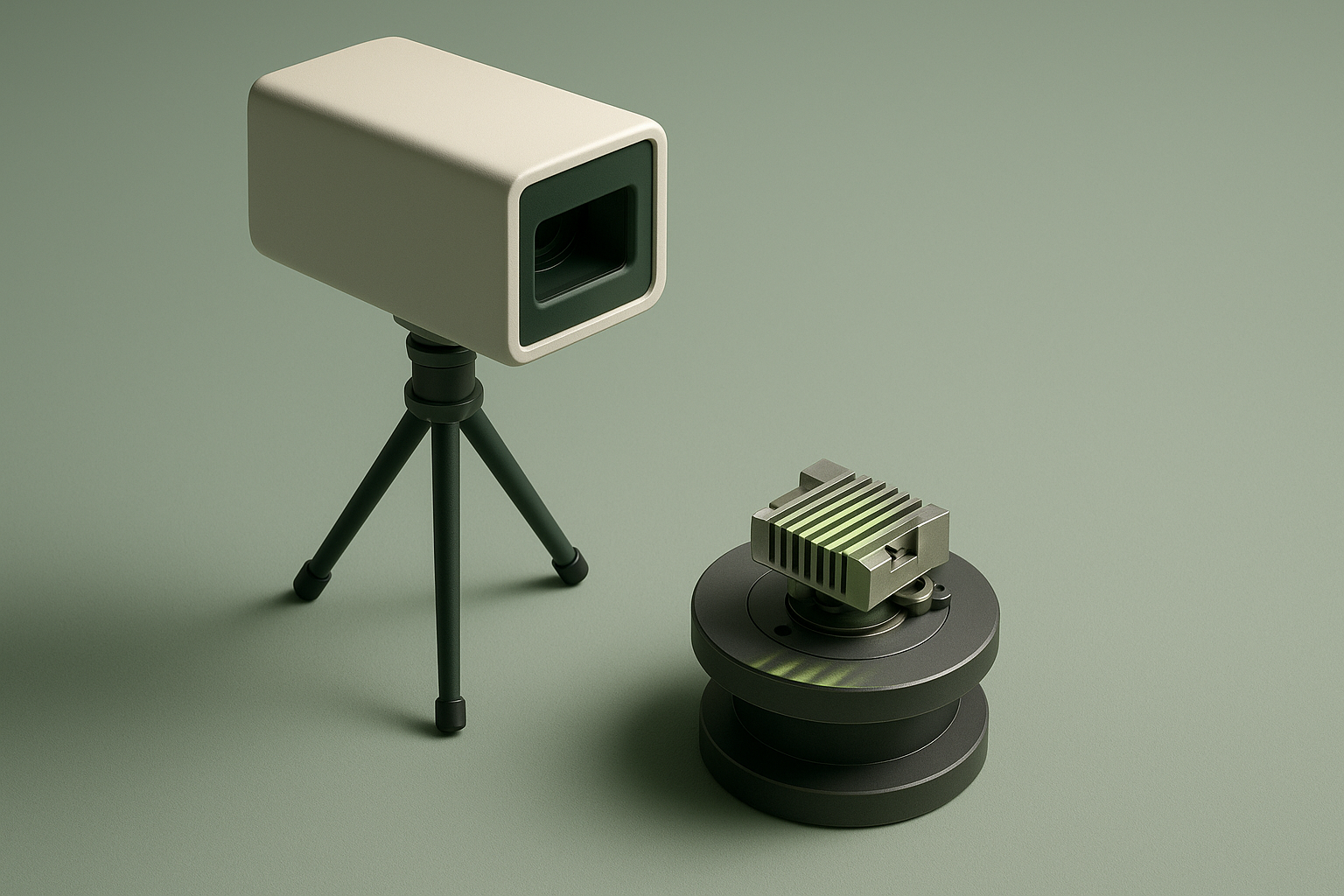

    Read the review ↗: ZEISS GOM Scan 1, MV 200 Review
    Conceptual CGI illustration of an unbranded tripod-mounted optical measuring projector aimed at a small metal component on a rotary stage
    Conceptual CGI illustration. Not a photograph of the reviewed device, and not a test setup.
    Conceptual CGI of an unbranded optical scanner beside a metal impeller
    Conceptual CGI. An imagined optical scanner; not a specific product or a test setup.
  • ZEISS T-SCAN hawk 2 Review

    A source-cited look at ZEISS’s metrology-grade handheld laser scanner, covering its documented accuracy, photogrammetry-based positioning, and the spec gaps the manufacturer leaves unpublished.

    Read the review ↗: ZEISS T-SCAN hawk 2 Review
    Conceptual CGI illustration of an unbranded tethered handheld laser scanner beside a curved automotive body panel dotted with positioning targets
    Conceptual CGI illustration. Not a photograph of the reviewed device, and not a test setup.
    Conceptual CGI of an unbranded optical scanner beside a metal impeller
    Conceptual CGI. An imagined optical scanner; not a specific product or a test setup.
  • Creaform HandySCAN BLACK Elite Review

    A document-based look at Creaform’s metrology-grade HandySCAN BLACK Elite handheld 3D scanner, built strictly from Creaform’s and FARO’s official specification pages, including its stated accuracy and unpublished pricing.

    Read the review ↗: Creaform HandySCAN BLACK Elite Review
    Conceptual CGI illustration of an unbranded tethered handheld laser scanner beside a machined aluminum reference block with calibration spheres
    Conceptual CGI illustration. Not a photograph of the reviewed device, and not a test setup.
    Conceptual CGI of an unbranded optical scanner beside a metal impeller
    Conceptual CGI. An imagined optical scanner; not a specific product or a test setup.
  • Artec Leo Review

    A source-cited breakdown of the wireless Artec Leo 3D scanner’s stated specs, pricing, software workflow, and documented limitations, built entirely from Artec 3D’s own product page and spec sheet.
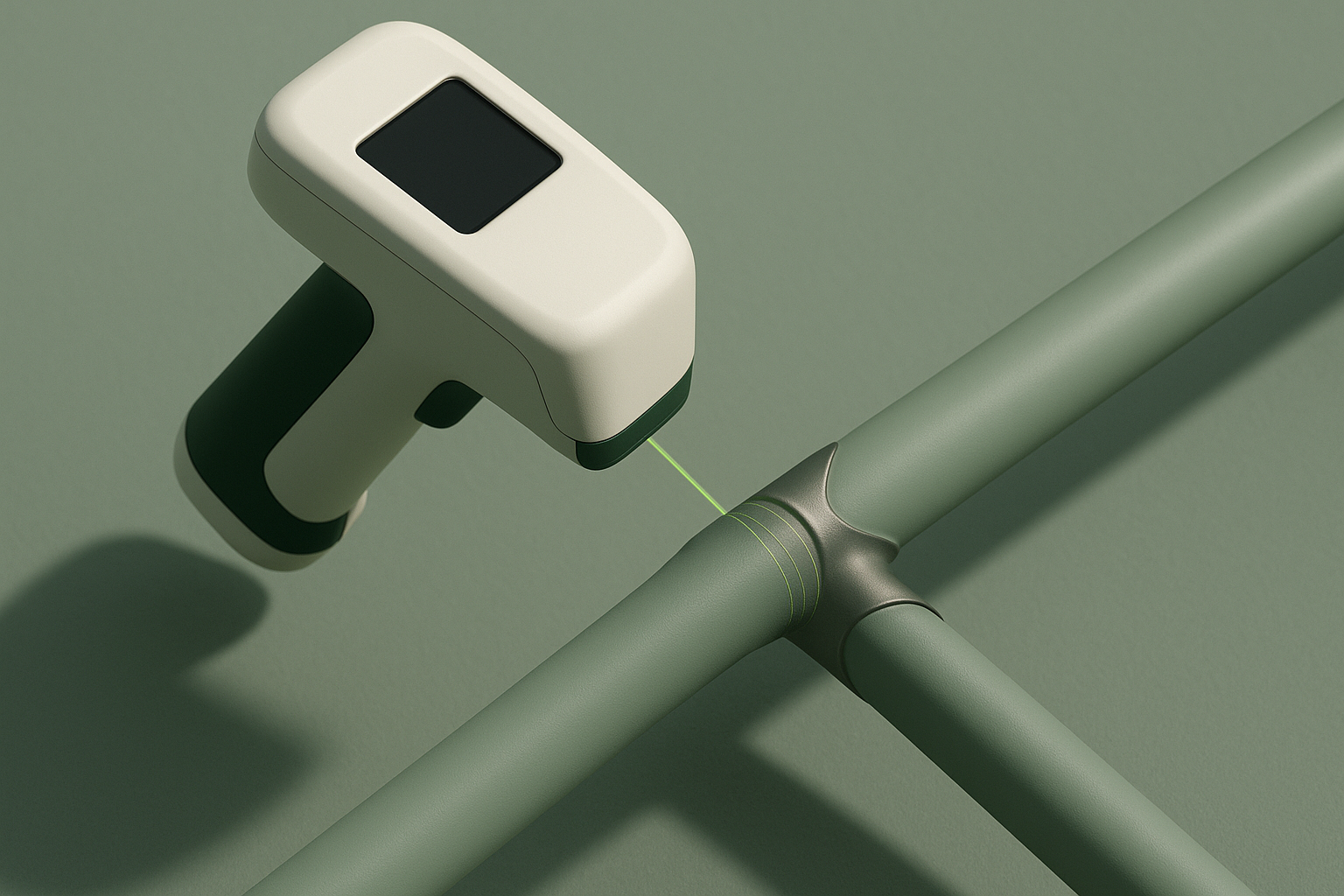
    Read the review ↗: Artec Leo Review
    Conceptual CGI illustration of an unbranded wireless handheld 3D scanner beside a tubular bicycle frame joint
    Conceptual CGI illustration. Not a photograph of the reviewed device, and not a test setup.
    Conceptual CGI of an unbranded optical scanner beside a metal impeller
    Conceptual CGI. An imagined optical scanner; not a specific product or a test setup.
  • SHINING 3D EinScan HX Review

    A source-cited review of SHINING 3D’s hybrid LED/laser EinScan HX handheld scanner, built entirely from the manufacturer’s own spec sheets and support documentation.

    Read the review ↗: SHINING 3D EinScan HX Review
    Conceptual CGI illustration of an unbranded hybrid handheld 3D scanner beside an abstract sculptural form
    Conceptual CGI illustration. Not a photograph of the reviewed device, and not a test setup.
    Conceptual CGI of an unbranded optical scanner beside a metal impeller
    Conceptual CGI. An imagined optical scanner; not a specific product or a test setup.
  • EINSTAR VEGA Review

    A source-cited look at EINSTAR’s all-in-one, battery-powered VEGA scanner, covering its dual-mode structured-light specs, documented limitations, and its StarVision software workflow.

    Read the review ↗: EINSTAR VEGA Review
    Conceptual CGI illustration of an unbranded all-in-one battery-powered handheld 3D scanner beside a smooth curved helmet-shaped shell
    Conceptual CGI illustration. Not a photograph of the reviewed device, and not a test setup.
    Conceptual CGI of an unbranded optical scanner beside a metal impeller
    Conceptual CGI. An imagined optical scanner; not a specific product or a test setup.

How to read a ScanLedger review

  1. 01

    The stated specification

    Manufacturer claims remain attributed to their source.

  2. 02

    The working context

    Requirements and limitations sit beside the headline numbers.

  3. 03

    The evidence boundary

    Document analysis is identified clearly throughout each review.